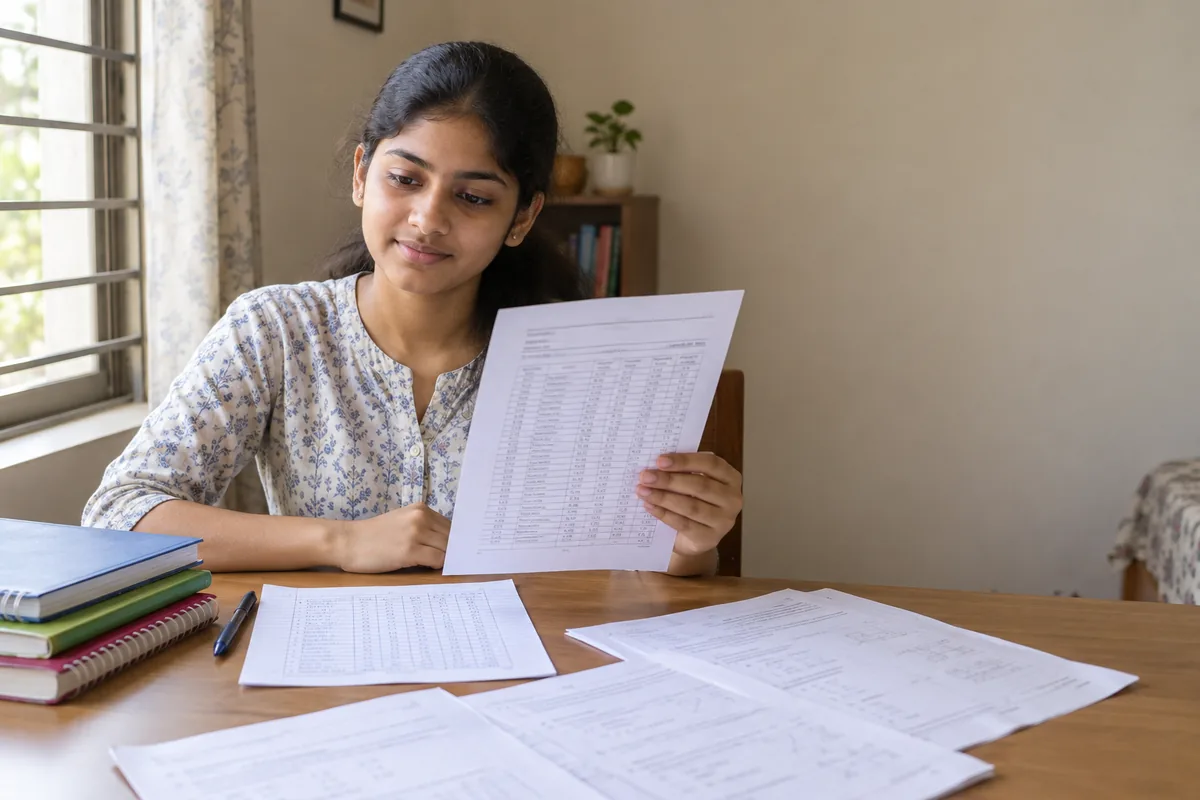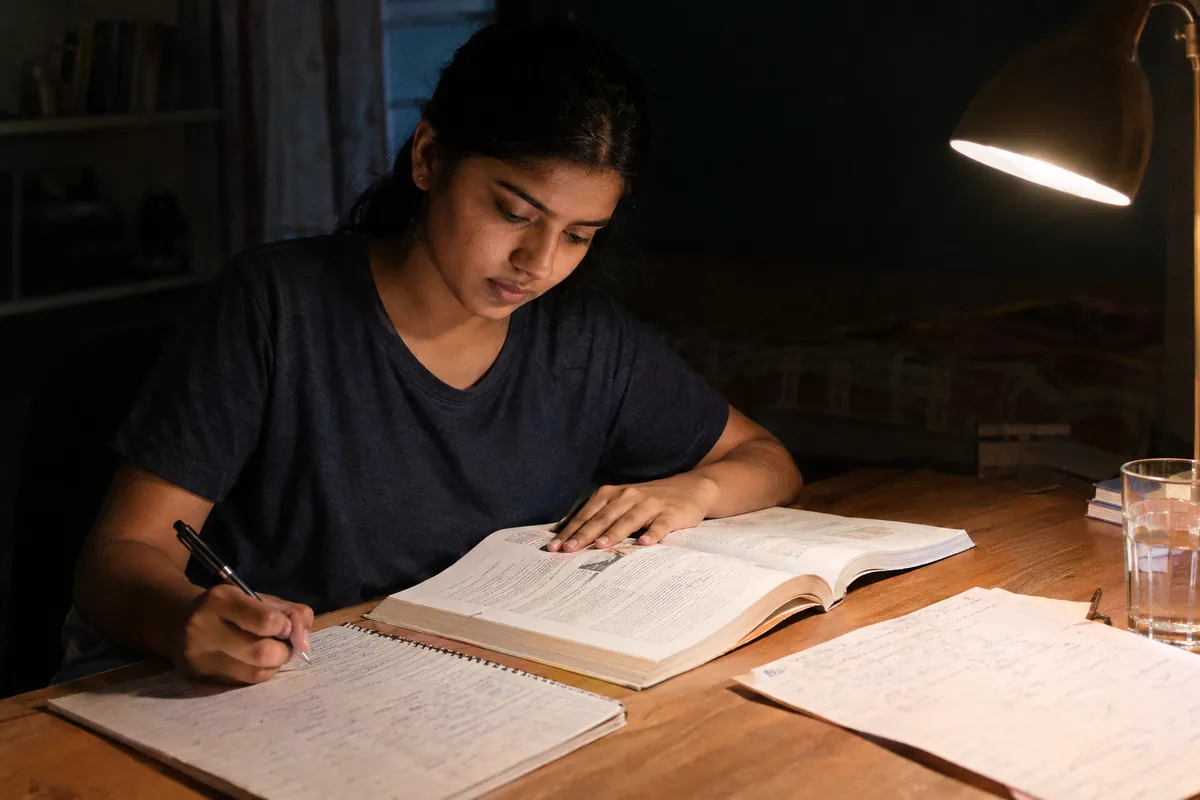
A senior school student revising from a textbook and handwritten notes by a desk lamp in the evening

Preparing for Board Exams Without Burning Out

A board year has a shape everyone recognises. The syllabus gets longer, tests get more frequent, and somewhere in the middle the advice narrows to a single instruction: study more. Most students try to comply. Very few finish the year believing that more hours is what fixed it. The students who come through a board year in reasonable shape are rarely the ones who studied the most. They are the ones whose work had a structure, who slept, and who kept a timetable they could sustain for five months instead of one they dropped in nine days. This is written to the student doing the revising, with a section for parents at the end. ...

October 16, 2026 · 7 min · Scholva
Parent standing with her school-going child at a roadside bus stop as the school bus door opens and a uniformed attendant waits at the step

School Transport Safety: What Parents Should Actually Verify

Most parents ask their school one question about transport: is the bus safe? The answer is usually yes, and it is usually honest. It is also not something you can verify. What you can verify is narrower and more useful: who is responsible for your child from the moment the door closes until the door opens again, and what record exists if something goes wrong. This is not a reason to distrust your school. It is a short list of things a well-run transport operation can answer in a minute, and that many schools tighten up only after a complaint. Asking is normal, and how the school answers tells you a good deal on its own. ...

October 15, 2026 · 7 min · Scholva
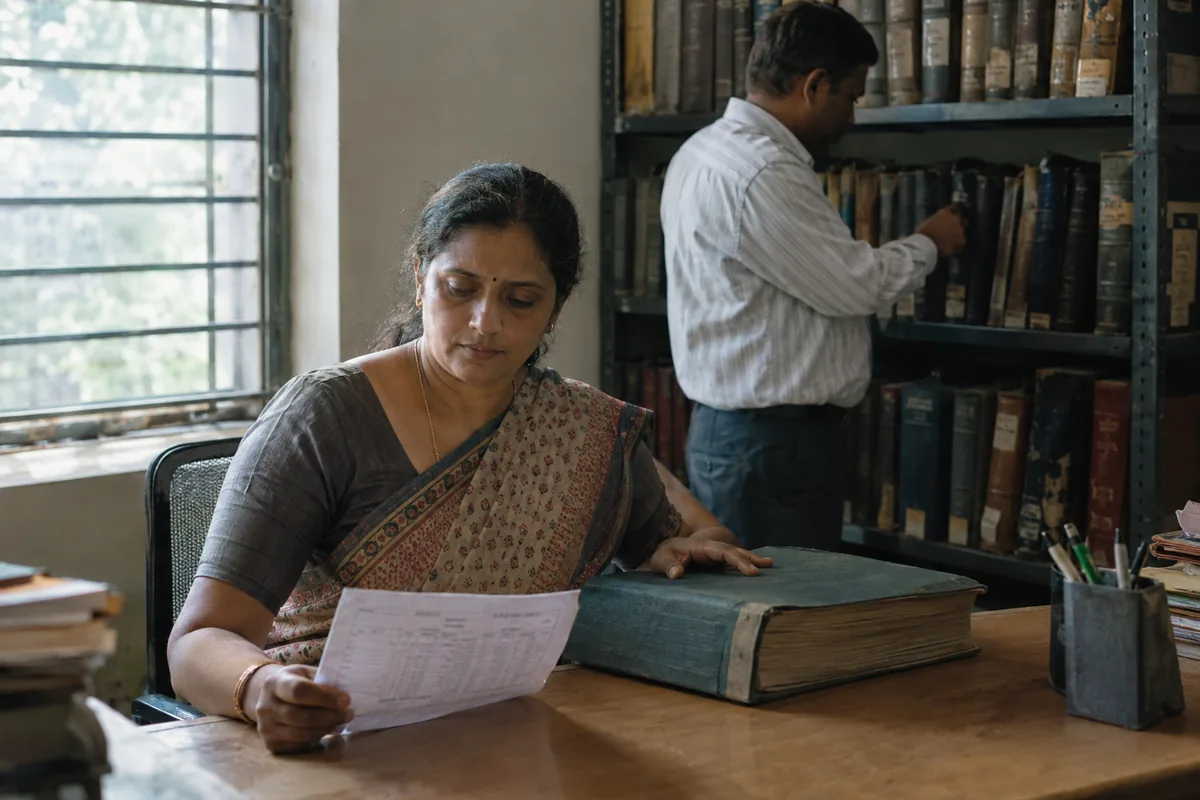
Records officer checking a printed marksheet against a cloth-bound award register in an Indian college records office

Digital Certificates and Marksheets: What Institutions Should Retain

Colleges and universities issue marksheets, degrees, diplomas, transcripts and consolidated statements for decades. Long after a cohort has dispersed, employers, other universities, licensing bodies, visa authorities and the graduates themselves come back asking for proof. The record has to still exist, still be readable, and still be checkable against something the institution controls. The hard part is that “keep everything” is no longer a neutral default. Indian institutions now work under a data protection regime that expects personal data to be erased once the purpose is served, and a records room full of legacy scans is a liability before it is an asset. A retention schedule is how both duties get satisfied at the same time. ...

October 14, 2026 · 7 min · Scholva
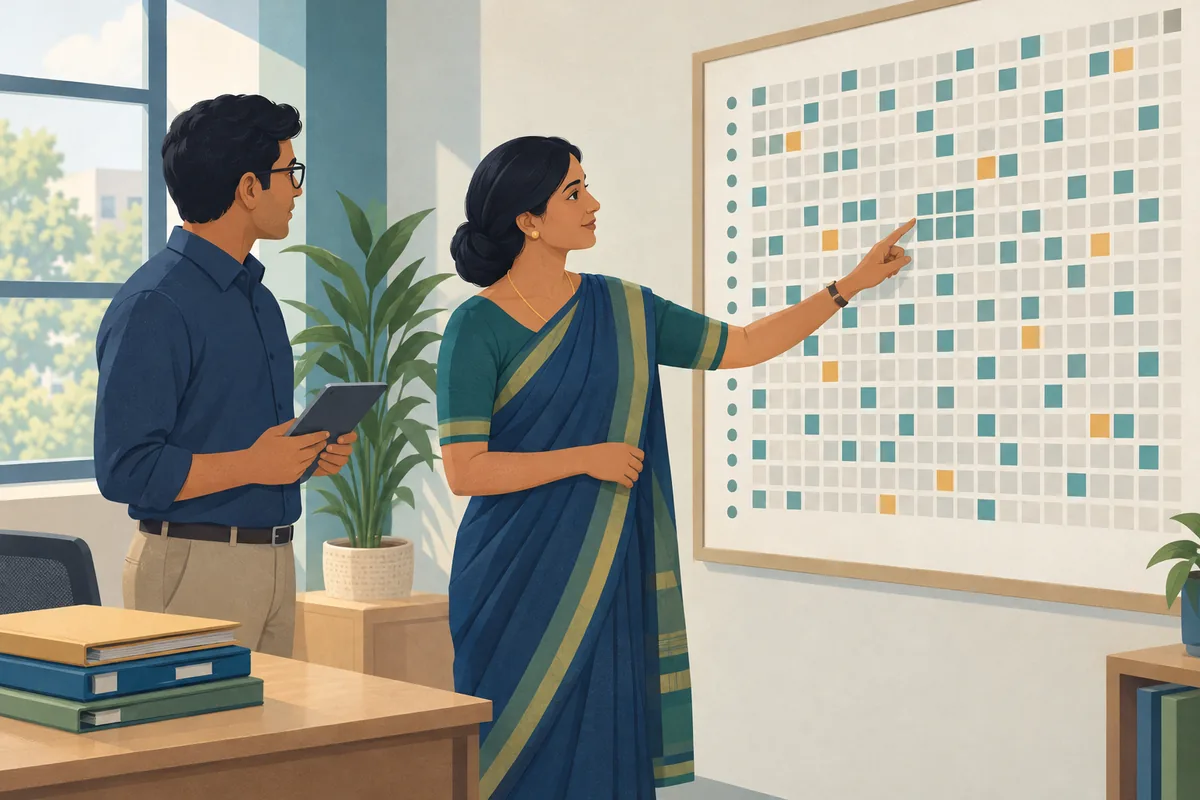
School administrator reviewing a wall chart of attendance squares with a colleague

Reading Your Own Attendance Data Properly

The attendance register produces one figure at the end of every month - 92% in July, 88% in August - and that figure travels: into the newsletter, the management meeting, the return the school submits upward. It is also the least informative number the school owns. A percentage that pools a Class 3 pupil who missed two days with fever and a Class 9 student who has missed every Monday this term describes neither of them. Reading attendance properly means replacing one figure with a small set of questions: which group of students, over what period, counted how, and what should happen when the answer changes. ...

October 13, 2026 · 7 min · Scholva
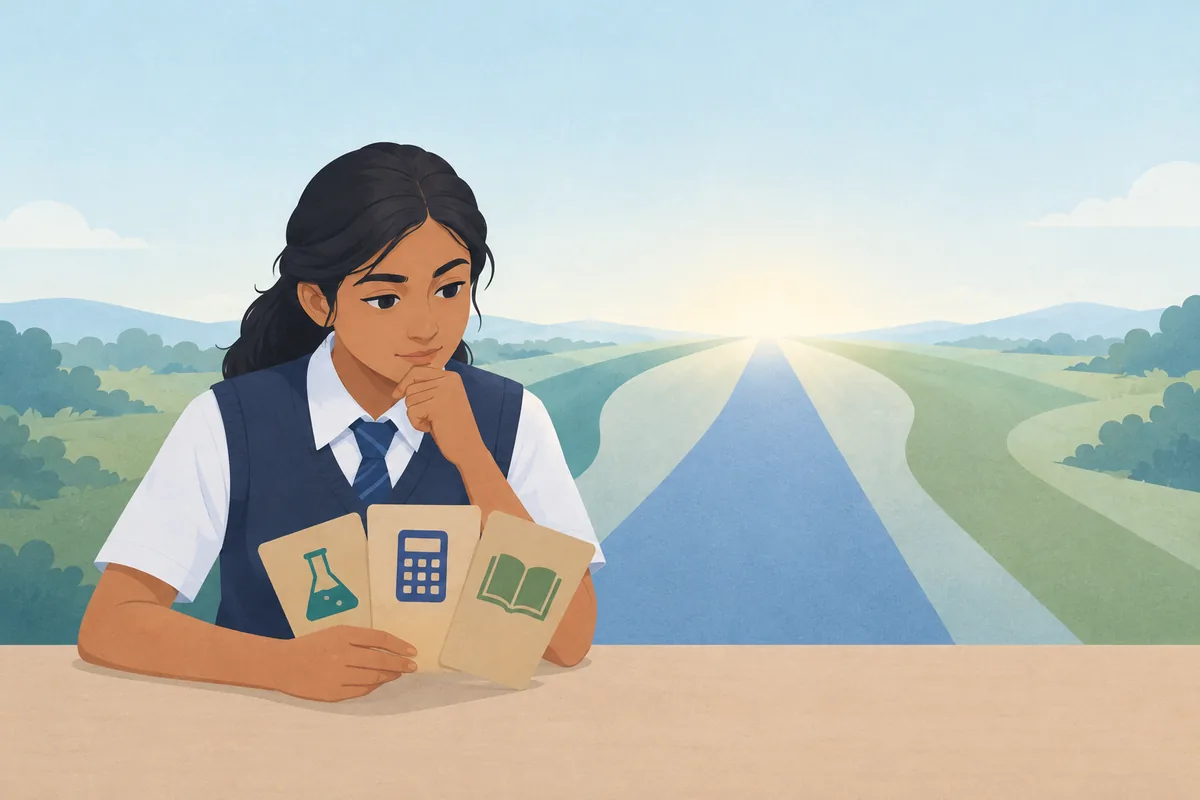
A teacher and a school student discussing subject options at a classroom desk

A Student's Guide to Choosing a Stream After Class 10

A Class 10 result arrives with one number on it, and within a week almost every student is asked a much larger question: which stream will you take in Class 11? The usual answer comes back quickly - science if the marks allow, commerce if they do not, arts if neither works - and it has little to do with the person being asked. This is a guide to deciding properly - not to finding the “best” stream, because there is no such thing, but to a choice you can still defend two years from now in a Class 12 exam hall. ...

October 12, 2026 · 7 min · Scholva
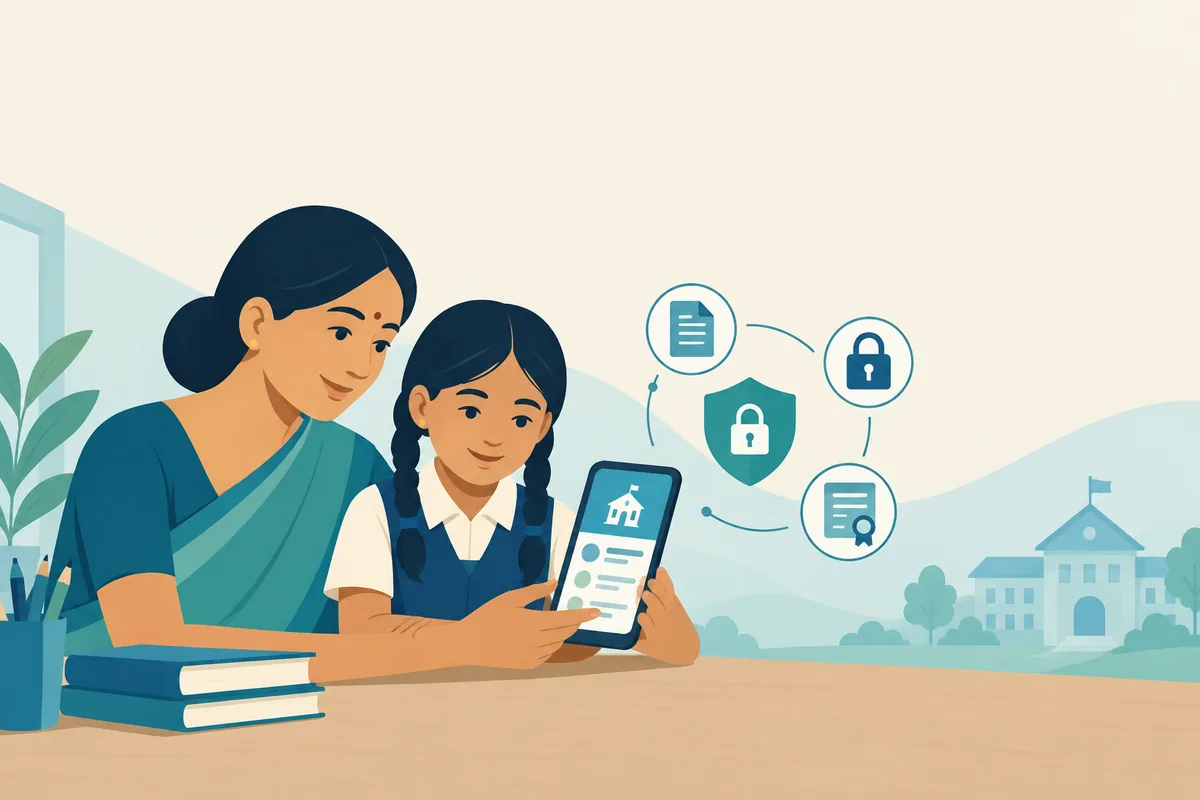
A mother and her son looking at a school app on a phone at their dining table

What Happens to Your Child's Data in School Apps

Your child’s school app holds their name, class, roll number, attendance, marks, bus stop, fee record, and sometimes their allergies and medical notes. Almost none of this is collected to keep an eye on your family. It is collected because a school cannot run admissions, attendance, examinations, transport and fee accounting without it. So the useful question is not “why does the school have this?” It is: what exactly is held, who can see it, how long it is kept, what happens if it leaks, and what a parent can reasonably ask when something looks wrong. ...

October 11, 2026 · 7 min · Scholva
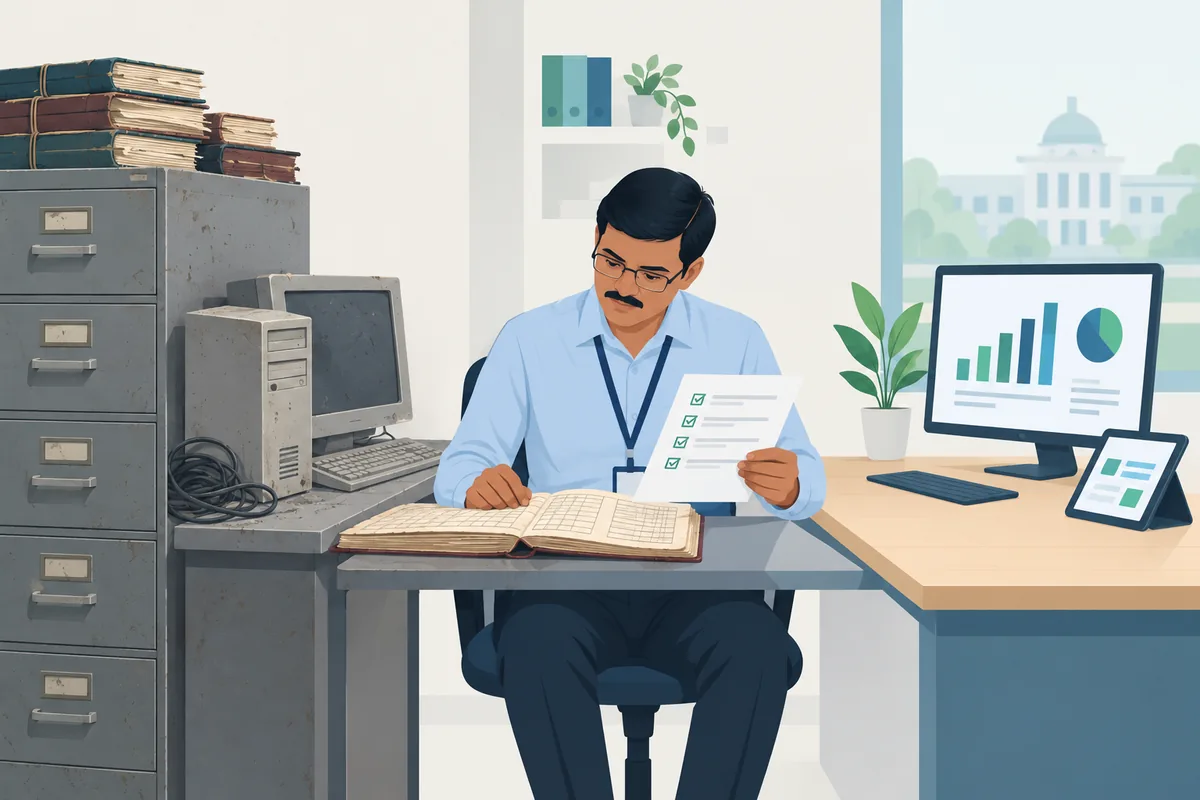
A school records officer working among bound paper files and obsolete desktop computers in an archive room

When to Retire a Legacy System: A School's Decision Framework

Most institutions do not decide to keep a legacy system. They simply never decide to retire it. The records module installed years before the current deans arrived, the examination tool only one clerk can operate, the library database nobody can query, the fee register living in a spreadsheet - each survives because replacing it feels riskier than tolerating it. That instinct is not unreasonable - a migration touches records the institution is accountable for, the cost lands in one difficult term, and the savings trickle in afterwards. But “we have always managed” is not the same as “this is still safe”. ...

October 10, 2026 · 7 min · Scholva
A newly joined teacher sitting with two senior colleagues over an open register in a school staff room

Staff Onboarding in a School: Making the First Two Weeks Count

A new teacher joins in June. By July she has signed the appointment letter, been shown her classroom, and been handed a timetable. By August she has resigned - and the school is quietly convinced it hired the wrong person. In most schools the hiring process is thorough and the onboarding process barely exists. The interview, the demo lesson, the paperwork: all of that is planned. What happens on the first Monday is not. The new member of staff is greeted warmly and then left to work it out, because everyone around them is already busy doing their own job. ...

October 9, 2026 · 8 min · Scholva
A student reading a marked exam answer script at a study desk

Reading Your Own Marks: How to Work Out What Actually Went Wrong

A marksheet gives you a number per subject and one total, and within a minute almost every student has decided what that total says about them. The number is the fastest thing to read and the least useful thing to act on. A total is a summary of a summary. It flattens three things into one figure: how much of the syllabus you actually knew, how well you performed under exam conditions, and how that particular paper happened to be weighted. Two students with the same mark have usually lost their marks for completely different reasons, and the fix for each is different. ...

October 8, 2026 · 7 min · Scholva
A mother listening to her son over an open school notebook at a study table at home in the evening

Signs Your Child Is Struggling Before the Marks Show It

Marks are a lagging indicator. By the time a decline appears on a report card, whatever is behind it has usually been visible at home for weeks - in how your child talks about school, in the shape of the mornings, in the homework they quietly stop doing. The signals are quiet, and each one alone has an innocent explanation. One means very little. Two or three together, holding for a few weeks, usually means something. This is a guide to what they look like, what to do at each stage, and where the line sits between attention and surveillance. ...

October 7, 2026 · 7 min · Scholva